GLP-1 Medications Explained: How They Work, Benefits, Risks, and Natural Support
GLP-1 medications have changed how millions of people think about appetite, blood sugar, and weight. This in-depth guide explains what GLP-1 medications are, how GLP-1 medications work in your body, the main types, the real benefits, and the side effects you should understand before you speak with your doctor.
You will also learn how everyday habits and a natural daily capsule such as GLP-1 Plus fit into the bigger picture, without replacing any prescription GLP-1 medications your healthcare provider recommends.
- Plain-English guide to GLP-1 medications
- Semaglutide, tirzepatide, and other options compared
- Honest look at side effects and risks
- Healthy habits and a natural daily option
GLP-1 Medications at a Glance: Key Takeaways
- GLP-1 medications mimic a natural gut hormone that signals fullness and supports healthy blood sugar after meals.
- Well-known GLP-1 medications include semaglutide, tirzepatide, liraglutide, and dulaglutide.
- Prescription GLP-1 medications are used for type 2 diabetes, chronic weight management, and certain related health risks under medical supervision.
- The most common side effects of GLP-1 medications are digestive, including nausea, constipation, and diarrhea.
- Results from GLP-1 medications depend heavily on nutrition, movement, sleep, and consistency.
- Supplements such as GLP-1 Plus are not GLP-1 medications and never replace a prescription from your doctor.
What Are GLP-1 Medications?
GLP-1 medications are a class of drugs known as GLP-1 receptor agonists. They copy the action of glucagon-like peptide-1, a hormone your intestines release after you eat. Doctors first used GLP-1 medications to treat type 2 diabetes. Over time, researchers noticed that people taking GLP-1 medications also felt full sooner and lost weight, which led to versions approved specifically for chronic weight management.
Today, GLP-1 medications are some of the most discussed prescriptions in the world. Search interest keeps climbing because GLP-1 medications deliver strong results for many people, dominate health headlines, and still raise plenty of questions about cost, access, and safety. This guide cuts through the noise so you can understand GLP-1 medications clearly.
What Is the GLP-1 Hormone?
GLP-1 stands for glucagon-like peptide-1. After a meal, your gut releases this hormone to tell your brain you are satisfied, slow down digestion, and help your pancreas release the right amount of insulin. Natural GLP-1 breaks down within minutes, which is why GLP-1 medications are engineered to stay active in the body far longer. That longer action is what makes GLP-1 medications so powerful compared with the hormone your body makes on its own.
Why Are GLP-1 Medications So Popular?
Three forces drive the popularity of GLP-1 medications: strong clinical results for blood sugar and weight, rising public awareness, and a wave of new options that includes weekly injections and daily pills. At the same time, high prices and uneven insurance coverage push many shoppers to look for supportive habits and gentler daily options. Understanding how GLP-1 medications really work helps you separate science from hype.
How Do GLP-1 Medications Work in the Body?
GLP-1 medications attach to GLP-1 receptors found in your pancreas, gut, and brain. Activating those receptors triggers several coordinated effects that influence blood sugar and appetite. Here are the four main actions behind GLP-1 medications.
Slow Stomach Emptying
GLP-1 medications slow how quickly food leaves your stomach, so you feel full longer after smaller meals.
Boost Insulin When Needed
GLP-1 medications prompt the pancreas to release insulin as blood sugar rises, which helps limit sharp spikes after meals.
Lower Glucagon Release
GLP-1 medications reduce glucagon, a hormone that signals the liver to release stored sugar into the blood.
Quiet Hunger Signals
GLP-1 medications act on appetite centers in the brain, which many people describe as less food noise and fewer cravings.
Why Results From GLP-1 Medications Take Time
Doctors usually start GLP-1 medications at a low dose and raise it slowly. This gradual approach, called titration, helps your body adjust and limits stomach side effects. Most people need several weeks to months on GLP-1 medications before the full effect on appetite and weight becomes clear, and benefits generally last only while treatment continues.
Types of GLP-1 Medications: Semaglutide, Tirzepatide, and More
Not all GLP-1 medications are identical. They differ by active ingredient, dosing schedule, and approved use. Your prescriber chooses among GLP-1 medications based on your health goals, medical history, and insurance coverage. The overview below covers the best-known options.
Semaglutide
Semaglutide is the active ingredient in several GLP-1 medications, including Ozempic and Rybelsus for type 2 diabetes and Wegovy for chronic weight management. It is available as a weekly injection and as a daily tablet.
- Weekly injection or daily tablet
- Used for diabetes and weight management
Tirzepatide
Tirzepatide, sold as Mounjaro and Zepbound, activates both GIP and GLP-1 receptors. Because of this dual action, it is usually discussed alongside GLP-1 medications and is given as a once-weekly injection.
- Dual GIP and GLP-1 action
- Once-weekly injection
Liraglutide, Dulaglutide, and Others
Older GLP-1 medications include liraglutide (Victoza, Saxenda), dulaglutide (Trulicity), and exenatide (Byetta, Bydureon). They remain useful options, though some require more frequent dosing than newer GLP-1 medications.
- Daily or weekly injections
- Established safety track record
Injectable vs. Oral GLP-1 Medications
Most GLP-1 medications are injections given under the skin once a day or once a week. Oral options now exist too, including Rybelsus and newer pills, which appeal to people who dislike needles. Oral GLP-1 medications often come with stricter timing rules, such as taking them on an empty stomach with a small sip of water, so follow your pharmacist’s directions closely.
A Quick Note on Brand Names
New GLP-1 medications keep arriving, and brand names, doses, and approved uses change over time. Always confirm the current options for GLP-1 medications with your doctor or pharmacist instead of relying on any single article.
Benefits of GLP-1 Medications: What the Evidence Supports
When prescribed appropriately, GLP-1 medications offer several well-documented benefits. Results vary from person to person, but these are the advantages most often linked to GLP-1 medications in clinical research.
Better Blood Sugar Control
GLP-1 medications lower A1C in adults with type 2 diabetes by supporting insulin release and reducing excess sugar output from the liver.
Weight Management
Weight-focused GLP-1 medications help many adults reduce body weight when paired with a reduced-calorie diet and more physical activity.
Reduced Appetite and Cravings
By influencing hunger and fullness signals, GLP-1 medications help many people feel satisfied with smaller portions.
Heart Health Support
Certain GLP-1 medications are approved to lower the risk of major cardiovascular events in adults with specific heart risk factors.
Other Health Markers
Studies link GLP-1 medications to improvements in blood pressure, cholesterol, and liver fat for some patients.
Related Conditions
Some GLP-1 medications now carry approvals for conditions linked to excess weight, such as obstructive sleep apnea. Ask your doctor what applies to you.
Realistic Expectations for GLP-1 Medications
GLP-1 medications are tools, not magic. People who combine GLP-1 medications with protein-rich meals, strength training, and good sleep tend to protect muscle and keep their results longer. Stopping GLP-1 medications often brings appetite back, which is why long-term planning with your doctor matters.
Side Effects and Risks of GLP-1 Medications
Every medication involves trade-offs, and GLP-1 medications are no exception. Knowing the possible side effects of GLP-1 medications helps you spot problems early and talk to your doctor with confidence.
Common Side Effects
- Nausea and vomiting, often worst after a dose increase
- Diarrhea or constipation
- Stomach pain, bloating, and heartburn
- Fatigue and reduced appetite
Serious Risks to Discuss With Your Doctor
- Pancreatitis (inflammation of the pancreas)
- Gallbladder problems, including gallstones
- Dehydration that can strain the kidneys
- Low blood sugar when combined with insulin or certain diabetes drugs
- Boxed warning about thyroid C-cell tumors on some GLP-1 medications
Who Should Avoid GLP-1 Medications?
GLP-1 medications are not right for everyone. Several labels warn against use for people with a personal or family history of medullary thyroid carcinoma or Multiple Endocrine Neoplasia syndrome type 2. Pregnancy, breastfeeding, and certain digestive or pancreatic conditions also call for extra caution. Your doctor will review your medical history before prescribing GLP-1 medications.
When to Call Your Doctor
Seek medical advice promptly if you notice severe or persistent stomach pain, repeated vomiting, signs of dehydration, or any symptom that worries you while taking GLP-1 medications.
Cost, Access, and Common Challenges With GLP-1 Medications
Prescription GLP-1 medications can be expensive, and insurance coverage varies widely by plan and by the reason for treatment. Some insurers cover GLP-1 medications for type 2 diabetes but not for weight management. Supply interruptions and dose-specific shortages have also frustrated patients at different times, so ask your pharmacy about availability before you plan around any GLP-1 medication.
Be Careful With Unregulated GLP-1 Medications Online
High prices push some shoppers toward cheap websites selling unapproved or counterfeit GLP-1 medications. Compounded versions and research-chemical vials are not the same as FDA-approved GLP-1 medications, and they can carry real quality and dosing risks. Use a licensed prescriber and a legitimate pharmacy for any GLP-1 medication, and report suspicious sellers to the FDA.
Questions to Ask Before You Start GLP-1 Medications
- Which GLP-1 medication fits my diagnosis and goals?
- What will GLP-1 medications cost me each month with and without insurance?
- How will we manage side effects during dose increases?
- What is the plan if I need to pause, switch, or stop?
- How can I protect muscle and nutrition while taking GLP-1 medications?
Natural Support Beyond GLP-1 Medications: Where GLP-1 Plus Fits
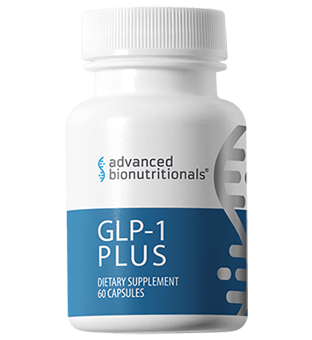
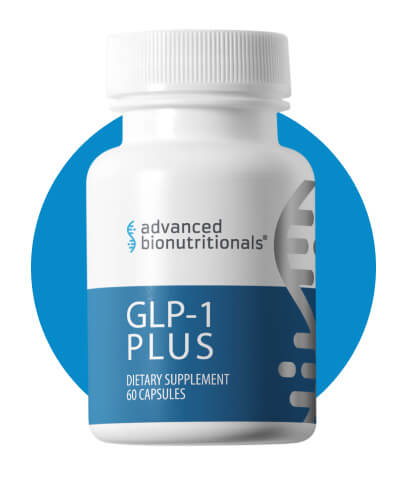
Some adults cannot access GLP-1 medications, do not qualify for them, or simply want a gentler daily step. Others already take GLP-1 medications and want to support healthy habits with their doctor’s approval. That is where GLP-1 Plus comes in. It is a dietary supplement, not a drug, and it does not contain or replace GLP-1 medications. Instead, it combines four plant and mineral ingredients that people choose for appetite balance and steady energy.
What Is Inside GLP-1 Plus?
Dihydroberberine (GlucoVantage)
A well-absorbed form of the plant compound berberine, chosen for its link to healthy glucose handling and appetite signaling.
Gymnema Sylvestre
An Ayurvedic herb traditionally used to help manage sugar cravings and the way sweetness is perceived.
Cinnamon Cassia Extract
A familiar spice extract studied for its role in supporting balanced blood sugar after meals.
Chromium Picolinate
An essential trace mineral that supports normal carbohydrate and fat metabolism.
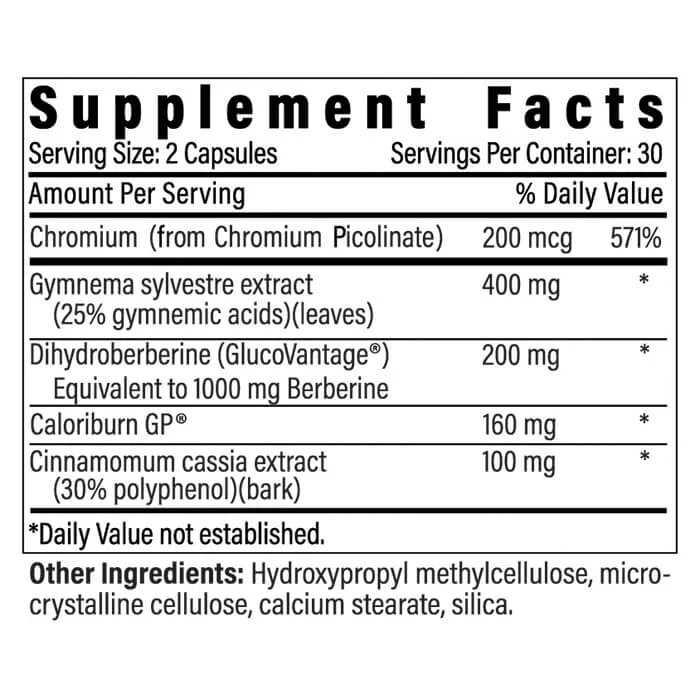
Check the supplement facts panel above to see exactly how the ingredients are listed. Keep in mind that GLP-1 Plus is a dietary supplement, so it is a different category from prescription GLP-1 medications.
GLP-1 Medications vs. GLP-1 Plus: A Clear Comparison
Prescription GLP-1 medications such as semaglutide and tirzepatide are powerful drugs. They require a doctor, they come with their own side effects and costs, and they are meant for specific medical situations. If a prescriber recommends GLP-1 medications for you, follow that plan.
GLP-1 Plus belongs to a different category. It is a dietary supplement that does not replace GLP-1 medications or any treatment your doctor prescribes. Many people exploring GLP-1 medications simply want a gentler daily step that they can start without a prescription, while others use a supplement to support healthy habits between check-ins.
Prescription GLP-1 Medications
- Prescription required
- Doctor-managed dosing and monitoring
- Often a high monthly cost without insurance
- Possible side effects to discuss with your provider
GLP-1 Plus Supplement
- Dietary supplement capsule
- No prescription needed, unlike GLP-1 medications
- Short four-ingredient label that is easy to read
- Not a replacement for GLP-1 medications
Can You Take GLP-1 Plus With GLP-1 Medications?
Always ask your doctor or pharmacist first. Prescription GLP-1 medications are carefully dosed, and adding any supplement should be a shared decision with your healthcare team. A supplement should never replace GLP-1 medications that your provider prescribed.
Daily Habits That Help You Get More From GLP-1 Medications
Whether or not you use GLP-1 medications, daily habits decide how you feel and how long your results last. Smart routines also make GLP-1 medications easier to tolerate, and they build a foundation that stays useful if you ever pause treatment.
Protein First, Fiber Always
Build each meal around lean protein and high-fiber vegetables. This approach supports fullness, helps protect muscle during weight loss, and can ease constipation, a common side effect of GLP-1 medications.
Strength Training and Daily Movement
Resistance exercise two or three times per week helps preserve lean muscle, while a short walk after meals supports steadier blood sugar. Movement works well alongside GLP-1 medications and just as well without them.
Sleep, Hydration, and Stress Control
Poor sleep and chronic stress can raise hunger hormones and make cravings harder to manage. Drinking enough water also helps with nausea and the dehydration risk linked to GLP-1 medications.
GLP-1 Medications FAQ: Your Questions Answered
What are GLP-1 medications used for?
GLP-1 medications are prescribed mainly to manage type 2 diabetes and to support chronic weight management in eligible adults. Some GLP-1 medications are also approved to reduce cardiovascular risk or to treat related conditions. Your doctor decides which option fits your health profile.
How long does it take for GLP-1 medications to work?
Many people notice reduced appetite within the first few weeks, but doctors increase the dose of GLP-1 medications gradually. Meaningful changes in weight or blood sugar usually build over several months.
What is the difference between semaglutide and tirzepatide?
Semaglutide activates the GLP-1 receptor, while tirzepatide activates both GIP and GLP-1 receptors. Both are discussed alongside GLP-1 medications and are commonly given as weekly injections. Your doctor can explain which one suits you better.
Are GLP-1 medications safe?
FDA-approved GLP-1 medications have been studied extensively, but they can cause side effects and are not suitable for everyone. Take GLP-1 medications only under medical supervision and report concerning symptoms promptly.
Do I have to stay on GLP-1 medications forever?
Type 2 diabetes and obesity are chronic conditions, and many people regain appetite or weight after stopping GLP-1 medications. Talk with your doctor about long-term plans, maintenance, and lifestyle support.
Is GLP-1 Plus the same as GLP-1 medications?
No. GLP-1 Plus is a dietary supplement made from plant and mineral ingredients. It is not a drug, it does not contain prescription GLP-1 medications, and it is not meant to replace them.
Can I take supplements with GLP-1 medications?
Check with your doctor or pharmacist first. Supplements can interact with other medicines or affect blood sugar, so professional guidance matters when you take GLP-1 medications.
Where can I check the current GLP-1 Plus offer?
The official offer page lists current pricing, bundle savings, and guarantee details. Use any Order GLP-1 Plus button on this page to see today’s offer.
Ready to Support Your Routine Beyond GLP-1 Medications?
GLP-1 medications can be life-changing for the right person, but they are only one piece of a bigger picture. Balanced meals, regular movement, quality sleep, and honest conversations with your doctor matter just as much. If you want a simple, natural daily capsule to support healthy appetite habits, explore GLP-1 Plus. It is not one of the GLP-1 medications and does not replace them, yet it fits neatly into a routine built on smart choices. Use the button below to see the current offer and pricing.
Affiliate Disclosure: Certain links on this page are affiliate links, so we may earn a commission when you buy a product or service through them, at no extra cost to you. We only highlight products or services we believe could be useful to our readers.
Disclaimer: This page is provided for informational purposes only. It does not aim to diagnose, treat, cure, or prevent any disease, and the FDA has not evaluated its statements. Please speak with a licensed healthcare professional before starting any supplement or changing your diet or exercise routine. Results differ from person to person. Third-party trademarks and trade names shown here do not suggest affiliation or endorsement. If you buy a product or service through a merchant link, we may receive a fee from the merchant.
© Copyright 2026 GLP-1™. All Rights Reserved.